
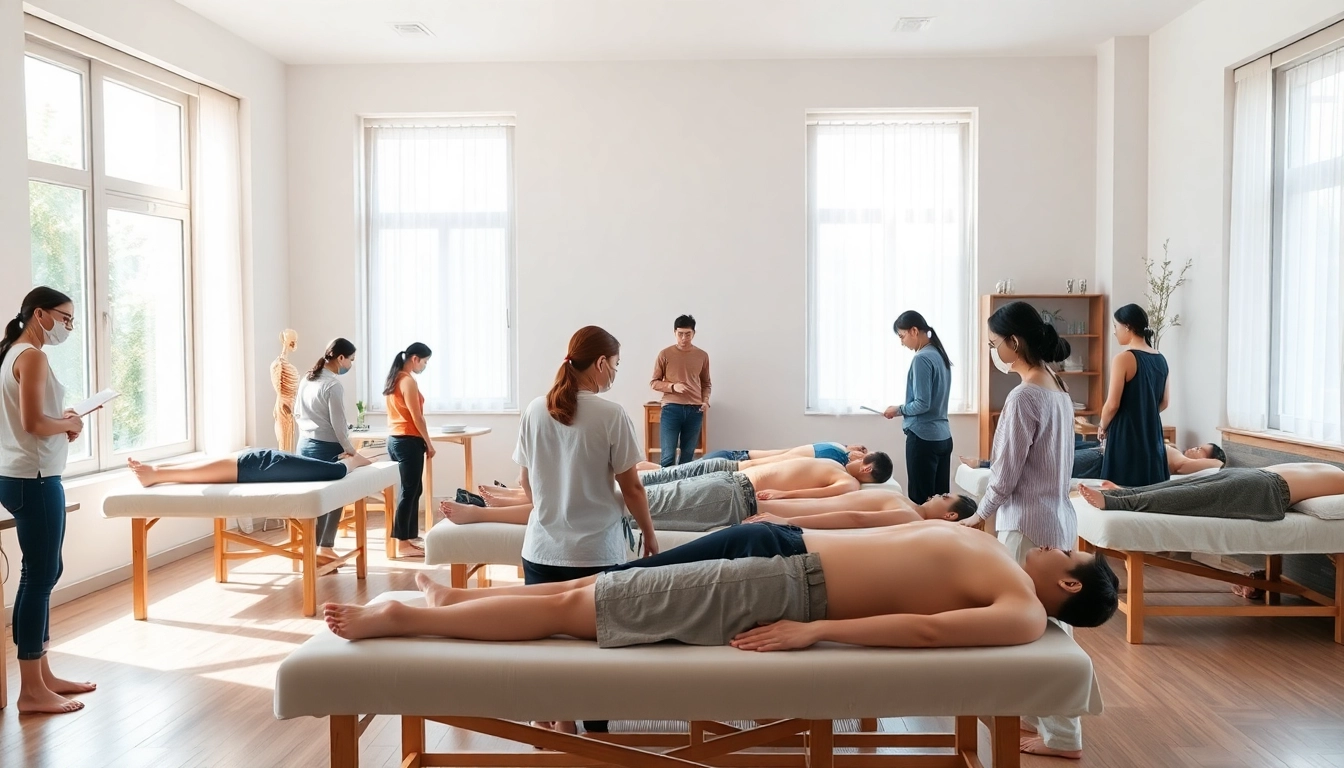
Overview of Chiang Mai Massage School Courses
As the demand for holistic healing and pain management rises globally, Chiang Mai Massage School stands out as a premier institution dedicated to delivering professional massage education tailored for pain relief and posture correction. This school offers a unique blend of practical skills and theoretical knowledge, focusing on sports medicine approaches that equip therapists with the necessary tools to improve client outcomes. With an emphasis on hands-on training, RSM International Academy prepares its students for the challenges of today’s healthcare environment, ensuring they are not only proficient in massage techniques but also knowledgeable about the underlying mechanisms of body movement and healing.
Understanding the Curriculum
The curriculum at the RSM International Academy in Chiang Mai is meticulously designed to cover essential aspects of both massage therapy and sports medicine. Courses are categorized into core practical sessions, advanced workshops, and specialized training, thereby catering to a wide range of professional needs. The core offerings include Trigger Point Therapy, Deep Tissue Massage, and Dynamic Myofascial Release, all of which provide a solid foundation for students seeking to enhance their skills in pain management. Beyond the basics, the school also offers advanced courses such as Sports Medicine Massage and Remedial Massage, ensuring learners can address chronic pain and postural imbalances effectively.
Core Courses for Pain Relief and Posture Correction
- Trigger Point Therapy Course: This course focuses on identifying and treating trigger points that contribute to chronic pain, utilizing techniques supported by sports medicine.
- Deep Tissue Massage Course: Designed for postural corrections, this course teaches participants to identify muscle tension affecting body alignment and to apply effective massage techniques to restore optimal function.
- Dynamic Myofascial Release Course: Students learn to enhance mobility and alleviate restrictions within the fascial system, promoting pain-free movement and stability.
Advanced Techniques in Massage Therapy
Exploring Trigger Point Therapy
Trigger Point Therapy is crucial for massage therapists seeking to understand and alleviate muscle tension effectively. It involves the application of pressure to specific points within muscle tissue that can lead to pain and discomfort throughout the body. Students at RSM learn to assess and treat both active and latent trigger points, gaining insights into the relationship between muscle tension and pain syndromes.
Deep Tissue Massage for Postural Corrections
Deep Tissue Massage is more than just a technique; it’s an essential approach to correcting postural issues. This course equips students with the skills to identify specific tension patterns that contribute to common postural problems, such as anterior pelvic tilt and forward head posture. Therapists are trained to apply various deep tissue techniques strategically to enhance muscle function and joint mobility.
Integrating Myofascial Release Techniques
Myofascial Release is a highly effective treatment modality that focuses on relieving tension in the fascia, the connective tissue that surrounds muscles and organs. By integrating these techniques into their practice, massage therapists can significantly improve their clients’ range of motion and alleviate chronic pain. The RSM curriculum provides comprehensive training, emphasizing hands-on practice to ensure practitioners can apply these methods effectively.
Choosing the Right Course for Your Career
Identifying Your Professional Goals
When considering enrollment in a massage program, it’s essential to evaluate your career aspirations. Are you looking to specialize in sports therapy, clinical massage, or perhaps holistic healing? Each course at RSM is designed to cater to specific professional goals, enabling students to tailor their education to align with their future career paths.
Course Selection Tips for Future Therapists
Selecting the right course requires careful consideration of current knowledge, skills, and desired outcomes. It is advisable to speak with experienced practitioners and potential employers to understand the market demands. Additionally, reviewing course outlines, instructor qualifications, and the types of hands-on training provided can greatly influence your decision.
Aligning Courses with Client Needs
Understanding client needs is paramount for any therapist. By aligning chosen courses with the common conditions that clients present, such as chronic pain or mobility issues, therapists can better prepare themselves to meet these demands. RSM’s focus on practical application ensures that students graduate with the competency to handle a variety of client situations effectively.
Practical Skills Development
Hands-On Training Opportunities
Hands-on training is a cornerstone of the RSM education model. With small class sizes, students receive personalized attention, allowing for in-depth learning and practice. Practical sessions include real-life scenarios that enhance clinical skills and confidence, preparing graduates for professional settings.
Clinical Palpation and Anatomy Learning
Understanding human anatomy is critical for any massage therapist. RSM emphasizes clinical palpation skills through innovative learning methods, including the study of cadaver anatomy. This experience enriches students’ understanding of muscle and nerve pathways, essential for effective pain management and rehabilitation.
Effective Rehabilitation Techniques
Rehabilitation techniques taught at RSM are informed by the latest research in sports medicine. Students learn specific methodologies to assist clients in recovering from injuries, managing chronic pain, and improving overall functional ability. By the end of their training, participants will possess a robust skill set applicable in both clinical and athletic environments.
Future Trends in Massage Therapy Education
Emerging Techniques for 2026 and Beyond
The field of massage therapy is constantly evolving, with new techniques and technologies emerging regularly. In 2026 and beyond, it is anticipated that courses will increasingly incorporate evidence-based practices, offering more integrated approaches to pain management and rehabilitation. RSM is committed to staying at the forefront of these developments, ensuring students are well-prepared to adapt to industry shifts.
Integration of Technology in Massage Practices
As technology continues to advance, so does its application within massage therapy. From virtual consultations to massage therapy software that tracks client progress, technology is transforming the way therapists operate. RSM is exploring the integration of these tools into its training programs, equipping future therapists with the skills needed to leverage technology in their practice.
Growth of Sports Medicine Massage in Chiang Mai
Sports Medicine Massage is gaining popularity in Chiang Mai as more athletes and active individuals seek specialized care to enhance performance and prevent injuries. RSM’s curriculum is designed to address this growing demand, providing in-depth training in sports-specific techniques that can be utilized in various fitness and rehabilitation contexts.