Understanding Auto Window Tint
What is Auto Window Tint?
Auto window tint refers to a thin film that is applied to the windows of a vehicle, serving various functions from enhancing aesthetics to providing functional benefits. Primarily made from materials such as polyester, auto window tint films are designed to block harmful UV rays, reduce heat inside the vehicle, and provide privacy. These films come in varying degrees of darkness and colors, allowing car owners to choose the tint that best suits their needs and preferences. auto window tint near me is often searched by individuals looking to optimize their vehicle’s comfort and protection.
Benefits of Auto Window Tint
The advantages of auto window tint go beyond aesthetic enhancement. Here are some key benefits:
- UV Protection: Window tints can block up to 99% of harmful UV rays, protecting both passengers and the interior of the car from sun damage.
- Heat Reduction: Tinted windows can significantly lower the interior temperature of vehicles, leading to better comfort and reduced reliance on air conditioning.
- Enhanced Privacy: A darker tint provides additional privacy for passengers and belongings, making it harder for prying eyes to see inside.
- Increased Safety: In case of an accident, window tint can hold shattered glass together, reducing the risk of injury from flying shards.
- Improved Aesthetics: Tinted windows can enhance the overall look of a vehicle, giving it a sleek, polished appearance.
Types of Auto Window Tint Films
There are several types of auto window tint films, each with unique properties and characteristics:
- Dyed Window Film: This budget-friendly option is made by layering dye between protective layers. While it provides aesthetics, it may not offer the highest heat rejection.
- Metalized Window Film: This type contains metal particles that reflect sunlight and heat, providing better performance than dyed films but can interfere with signals (e.g., radio, GPS).
- Carbon Window Film: This film has carbon particles that absorb instead of reflect heat. It offers excellent heat reduction without signal interference.
- Ceramic Window Film: Known for its high performance, ceramic film provides UV protection, heat reduction, and clarity without affecting visibility.
- Hybrid Window Film: Combines features of dyed and metalized films for a balance of aesthetics and performance.
Choosing the Right Tint
Legal Regulations on Window Tint
Before choosing a window tint, it’s essential to understand the legal regulations that vary by state or region. Laws often cover aspects such as the percentage of visible light allowed through the tinted windows (VLT) and which windows can be tinted. Regulations may also specify allowable tint colors. For instance, some areas might restrict or prohibit reflective films while others may have specific requirements for front windshields. Always verify local laws to ensure compliance, as legal penalties for violations can be substantial.
Factors to Consider When Choosing Tint
Selecting the right auto window tint involves considering several factors:
- Purpose: Define why you want to tint your windows—protection from UV rays, privacy, or improved aesthetics—this will guide your choice.
- Type of Film: Assess which type of film aligns with your needs the best. For instance, if heat rejection is a priority, consider ceramic or carbon films.
- Local Regulations: As previously mentioned, ensure your tint choice complies with local laws to avoid penalties.
- Brand Reputation: Research the quality and warranties offered by different film manufacturers as a reflection of their performance.
- Budget: Prices can range significantly; understanding your budget can help narrow down your options without compromising quality.
Popular Tint Brands and Products
While many brands offer high-quality window tint films, it’s essential to choose options known for their durability and performance. Some of the well-regarded brands in the industry typically produce a range of products catering to different needs.
For instance, consider looking for films that provide a blend of aesthetic appeal and performance, focusing on those with positive customer reviews and industry certifications. Exploring user experiences and expert recommendations can guide you toward reliable brands in your search.
Finding Auto Window Tint Near Me
Using Online Tools to Locate Services
Finding a qualified auto window tint service provider in your area can be streamlined through a variety of online tools. Utilizing search engines, social media platforms, and online directories can effectively yield local options. Make sure to include your locality in your searches, alongside keywords like auto window tint near me, to refine your results. Additionally, review maps for nearby services to find their locations and contact information quickly.
Evaluating Local Tinting Services
When narrowing down your options, it is wise to evaluate local tinting services based on specific criteria:
- Experience: Consider how long the shop has been in business and their expertise in installing various types of tints.
- Certification: Look for certified technicians, as trained professionals are less likely to make errors during installation.
- Portfolio: Ask for examples of past work to gauge the quality of installations and customer satisfaction levels.
- Warranty: An established warranty can indicate the service’s confidence in the products they offer.
Reading Reviews and Gathering Recommendations
One of the best ways to assess the quality of local tinting services is by reading reviews and seeking recommendations. Websites like Yelp, Google Reviews, and social media platforms provide insights from previous customers. Positive reviews often highlight reliability, efficiency, and overall customer satisfaction. Asking friends or family for recommendations can also provide trusted suggestions based on personal experiences.
The Tinting Process Explained
Preparation Steps Before Tinting
Before the actual tinting process begins, several preparatory steps ensure a smooth installation:
- Clean the Windows: Thoroughly clean the windows to remove dust, grime, and any residues that could interfere with the adhesive’s bond.
- Assessing Temperatures: Ensure that the car’s interior is warm enough to facilitate proper adhesion, as films adhere better when surfaces are at optimal temperatures.
- Remove Any Obstructions: Take out window trims, safety stickers, and other elements that may hinder installation.
Step-by-Step Tinting Process
The installation of auto window tint involves several precise steps:
- Measurements: Technicians accurately measure the windows to cut the film to the correct sizes.
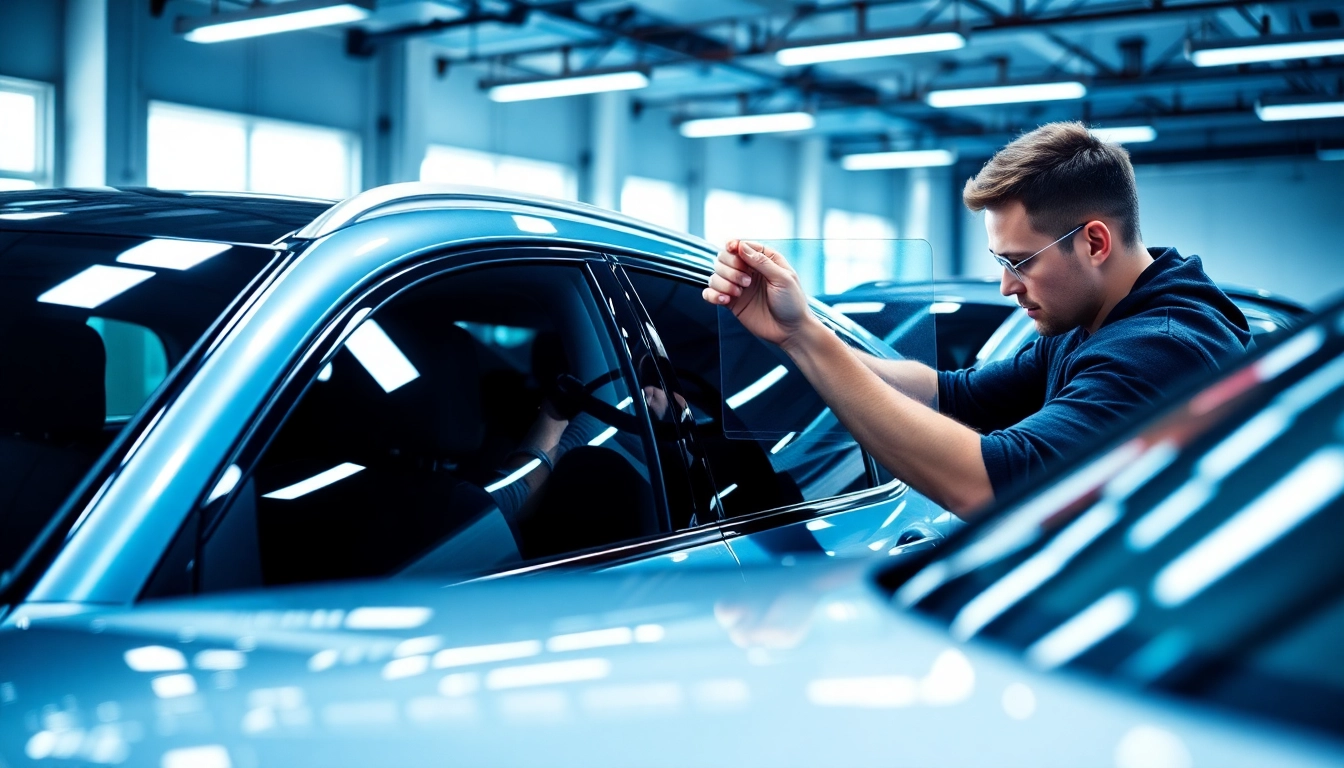
- Applying the Film: The technician applies a spray solution on the window before placing the film to allow for adjustments and prevent wrinkles.
- Heat Activation: Some films require heat to activate the adhesive. Technicians use a heat gun to ensure proper bonding.
- Trimming Edges: Once the film is in place and smoothed out, edges are trimmed for a neat finish.
- Cleaning and Final Inspection: The installer cleans the window again, ensuring there are no imperfections, and conducts a final inspection to ensure quality.
Post-Tint Care Instructions
To maximize the longevity and effectiveness of your new tint, adhere to the following care instructions:
- Avoid Water: For the first few days post-installation, avoid rolling down windows or getting them wet to ensure proper adhesion.
- Gentle Cleaning: Use a soft cloth and a pH-balanced cleaner for maintenance—avoid ammonia-based products that can damage the tint.
- Monitor for Bubbles: Some small bubbles may appear initially; these typically resolve on their own within a few weeks. Consult your installer if larger bubbles persist.
Common Questions About Auto Window Tint
How Long Does Auto Window Tint Last?
The lifespan of auto window tint varies based on quality, type, and installation, typically ranging from 5 to 12 years. High-quality films tend to last longer and maintain their effectiveness.
Can Auto Window Tint Be Removed?
Yes, auto window tint can be removed. It’s best to have a professional do this to prevent damage to the windows. Removal may involve peeling off the film and cleaning any residue left behind.
What Should I Expect After Tinting?
After tinting, expect a change in interior comfort due to reduced heat and glare. You may also notice some marks or bubbles initially, but most will clear up within a few days, given proper care.
Is Window Tinting Worth the Investment?
Yes, window tinting offers significant benefits in terms of comfort, interior protection, and safety. The long-term savings in energy and the preservation of vehicle interiors often justify initial costs.
Can I Tint My Windows Myself?
While DIY tinting kits are available, professional installation is recommended for optimal results. Poor application can lead to bubbles, peeling, and an unprofessional appearance.