
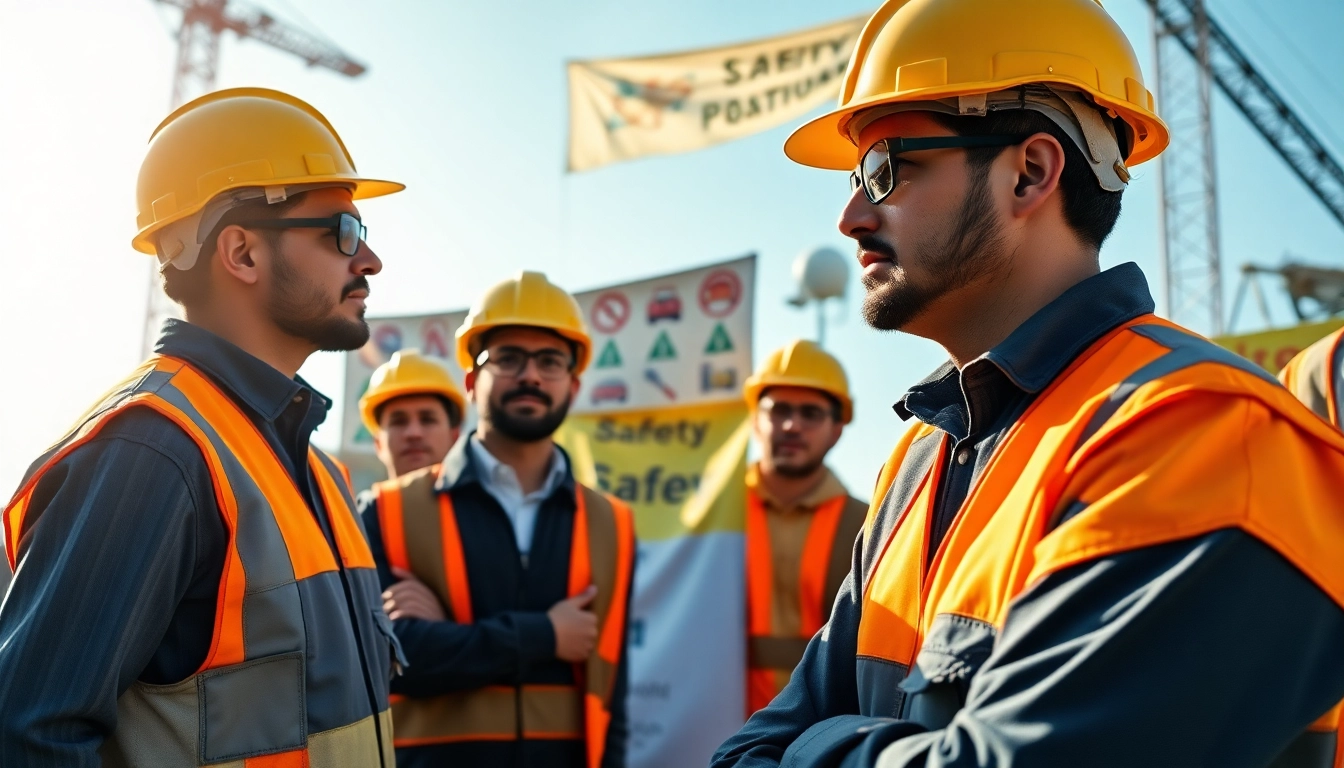
Understanding Construction Safety Training
Construction is one of the most hazardous industries, with workers facing numerous risks daily. To mitigate these dangers, construction safety training is essential. This type of training not only protects workers but also ensures compliance with regulations and promotes a culture of safety on job sites. Proper training procedures can significantly reduce accidents, injuries, and fatalities while contributing to overall workplace efficiency.
The Importance of Construction Safety Training
Investing in safety training is vital for any construction business. The significance of construction safety training can be summed up in several key points:
- Reduction of Workplace Accidents: Effective safety training significantly lowers the chances of work-related injuries and fatalities.
- Compliance with Regulations: Ensuring workers are trained helps maintain compliance with local, state, and federal safety regulations, reducing potential legal penalties.
- Cultural Change: Construction safety training fosters a culture that prioritizes safety, encouraging workers to take responsibility for their safety and that of others.
- Financial Benefits: Fewer accidents lead to lower insurance premiums, reduced compensation claims, and less downtime, thus enhancing profitability.
- Employee Retention: Providing safety training shows employees that their well-being matters, contributing to higher job satisfaction and retention rates.
Key Components of Effective Training Programs
For construction safety training to be effective, it requires several critical components:
- Comprehensive Curriculum: The training program must cover all relevant safety protocols, including hazard recognition, emergency procedures, and specific equipment safety.
- Qualified Instructors: Trainers should have appropriate certifications and firsthand construction experience to deliver effective training.
- Hands-On Training: Incorporating practical demonstrations and simulations makes the training more engaging and impactful.
- Regular Assessment: Periodic evaluations ensure that workers comprehend and can effectively apply what they’ve learned.
- Continual Improvement: Training programs should adapt to integrate new safety standards and innovations continuously.
Regulatory Standards in Construction Safety Training
Understanding the various regulations governing construction safety training is crucial for compliance and image management. Some key standards include:
- OSHA Regulations: The Occupational Safety and Health Administration (OSHA) outlines specific training mandates for various aspects of construction safety, establishing minimum standards that must be met.
- State Regulations: Many states have their own regulations which may be stricter than federal standards, necessitating awareness and compliance.
- Industry Standards: Organizations such as the National Safety Council (NSC) publish guidelines that reflect the latest best practices in safety training.
Essential Topics Covered in Construction Safety Training
Hazard Identification and Risk Assessment
A cornerstone of construction safety, hazard identification and risk assessment training includes teaching workers to recognize potential hazards, such as:
- Working at heights
- Handling heavy machinery
- Exposure to toxic substances
Workers learn to conduct risk assessments to determine the severity and likelihood of hazards, which is crucial in preventing incidents.
Emergency Response Procedures
Training on emergency response procedures ensures workers know how to react in case of accidents, such as:
- Medical emergencies
- Fires and explosions
- Electrical emergencies
Mock drills and scenario training help reinforce these procedures, allowing workers to act swiftly and effectively in emergencies.
Personal Protective Equipment (PPE) Usage
Understanding the proper use of Personal Protective Equipment (PPE) is vital for workers’ safety. Training should cover:
- Types of PPE required on the job
- Correct usage, maintenance, and limitations of PPE
- Ensuring proper fit to maximize protection
Implementing Construction Safety Training
Developing a Training Schedule
When creating a training schedule, consider the following steps:
- Identify training needs based on job roles and risks.
- Set a regular training timeline to reinforce knowledge.
- Ensure that all new hires receive initial training promptly and that third-party contractors are included when applicable.
Incorporating Hands-On Practice
Hands-on practice is crucial for solidifying theoretical knowledge in a practical context. Some effective methods include:
- Simulated operational scenarios
- Role-playing emergency responses
- Real-life machinery operation in safe settings
Utilizing Technology in Training
Technology can enhance construction safety training through tools such as:
- eLearning Platforms: Online modules can be accessible anytime, enhancing flexibility.
- Virtual Reality (VR): VR scenarios provide immersive experiences that can simulate dangerous situations without actual risks.
- Mobile Apps: These can offer quick reference guides or incident reporting tools and enable ongoing training.
Measuring the Effectiveness of Construction Safety Training
Performance Metrics to Monitor
Monitoring the effectiveness of safety training requires specific performance metrics. Key measures include:
- Incident rates before and after training
- Employee feedback and engagement levels
- Completion rates of training programs
Feedback and Continuous Improvement
Collecting feedback from participants is crucial for continuous improvement. Regular surveys and open forums can facilitate this process. Feedback should be systematically reviewed and used to refine training content and delivery methods.
Case Studies of Successful Programs
Success stories from various construction firms highlight the impact of effective safety training. For instance, companies that shifted to more interactive training methods reported decreases in workplace accidents by up to 30% within a year, showcasing the direct link between training quality and safety performance.
Frequently Asked Questions About Construction Safety Training
What are the main benefits of construction safety training?
Construction safety training reduces workplace accidents, enhances compliance with regulations, fosters a safety culture, improves financial performance, and boosts employee satisfaction.
How often should construction safety training be conducted?
Training should be conducted regularly, with initial training for new hires, followed by annual refreshers and additional training as needed for specific roles.
What is the role of OSHA in construction safety?
OSHA establishes and enforces safety regulations for construction to ensure workers’ health and safety. Compliance with OSHA standards is required for all construction sites.
How can technology enhance safety training?
Technology enhances safety training through eLearning platforms, Virtual Reality simulations, and mobile apps, making training more accessible and engaging.
What are common topics covered in safety training?
Common topics in safety training include hazard identification, emergency response procedures, and proper use of Personal Protective Equipment (PPE).