Understanding Stress and Anxiety
Definitions and Differences
Stress and anxiety are terms that are often used interchangeably in daily conversation, but they refer to different experiences. Stress and anxiety are related yet distinct phenomena. Stress is typically a response to an external trigger, such as a deadline at work or a personal conflict. It manifests in both physical and emotional responses, meant to help us react to challenges. On the other hand, anxiety is an internal experience, often characterized by persistent worry about potential future events. It can arise without a clear trigger and may persist long after a stressful event has passed.
Common Symptoms and Effects
The symptoms of stress can vary widely, ranging from physical signs like headaches, fatigue, and muscle tension to emotional responses such as irritability, frustration, and sadness. Chronic stress can lead to burnout and a decreased quality of life. Anxiety symptoms often include racing thoughts, feelings of impending doom, excessive worry, and physical manifestations such as a rapid heartbeat or shortness of breath. Both conditions can significantly impact an individual’s mental health, leading to complex interactions between stressors and anxiety levels.
Causes of Stress and Anxiety
Various factors contribute to the onset of stress and anxiety. Environmental stressors such as financial difficulties, work pressures, and relationship issues are common triggers. Personal characteristics, including perfectionism and a tendency towards negative thinking, can exacerbate these feelings. Additionally, significant life changes, including the loss of a loved one or changes in job status, are potent catalysts for stress and anxiety. Understanding these causes is the first step toward effective management and prevention.
Impact on Daily Life
Influence on Work Performance
Both stress and anxiety can detrimentally affect work performance. Individuals experiencing high levels of stress may find it difficult to concentrate, leading to decreased productivity and increased errors. Often, these individuals may also exhibit absenteeism as a coping mechanism. Anxiety, conversely, can result in procrastination due to fear of failure or overwhelming worry about tasks. The combination of these factors creates a detrimental cycle, where stress leads to decreased performance and increased anxiety about work-related responsibilities.
Effects on Relationships
Stress and anxiety can severely affect interpersonal relationships. The emotional toll of these conditions can lead to withdrawal from family and friends, creating a cycle of isolation that only worsens the situation. Communication may break down as individuals experience irritability or heightened sensitivity. In relationships, partners may struggle to understand each other’s emotional experiences, leading to conflict. Recognizing and addressing these effects can help improve communication and strengthen ties.
Consequences for Physical Health
Chronic stress and anxiety are not only detrimental to mental well-being but also have considerable impacts on physical health. They can lead to conditions such as hypertension, cardiovascular diseases, and gastrointestinal issues like irritable bowel syndrome. Furthermore, prolonged stress and anxiety can weaken the immune system, making individuals more susceptible to infections. Understanding the link between mental and physical health can encourage individuals to prioritize stress management as a vital aspect of their overall health.
Effective Strategies for Managing Stress and Anxiety
Mindfulness and Relaxation Techniques
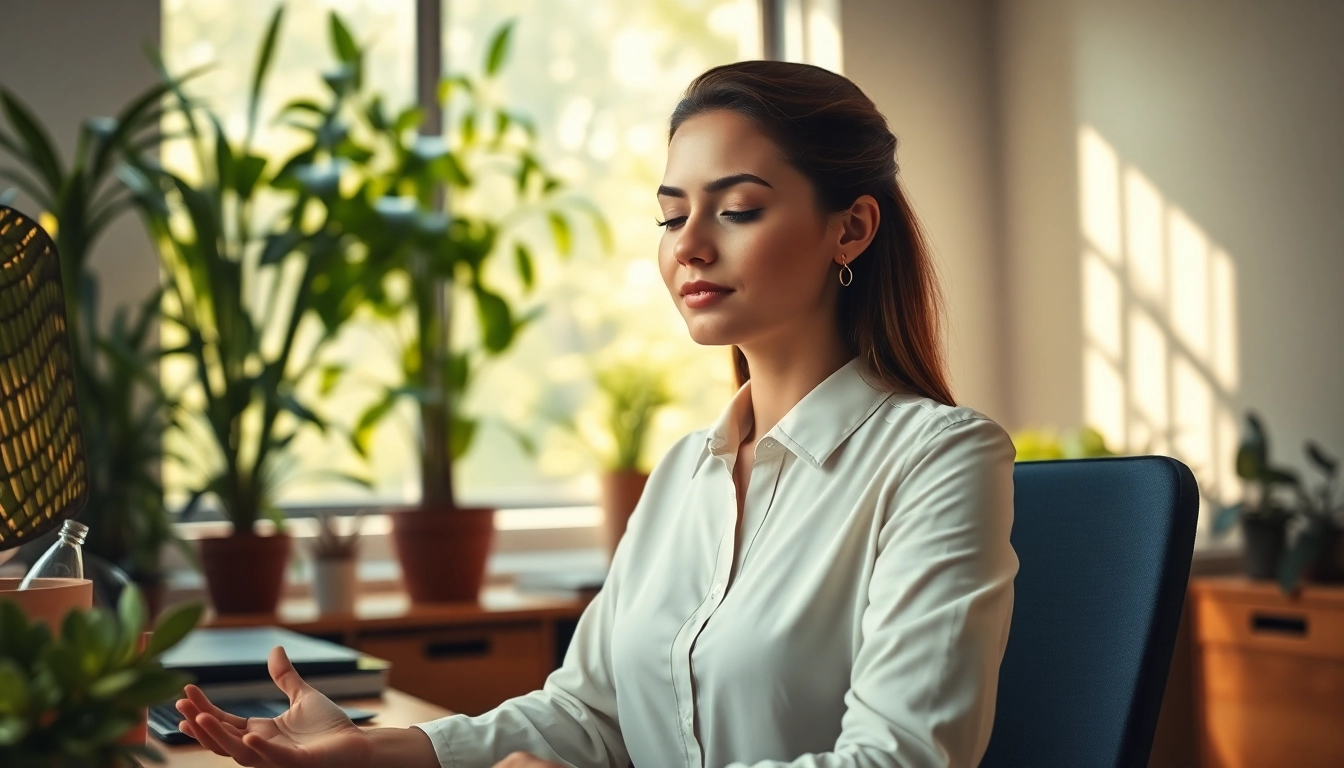
Mindfulness and relaxation techniques offer effective ways to combat stress and anxiety. Mindfulness practices, such as meditation and deep breathing exercises, encourage individuals to focus on the present moment, helping to reduce worry about the future. Progressive muscle relaxation and guided imagery are other techniques that can help manage physical tension. Regular practice of these techniques can foster a greater sense of calm and resilience, enabling individuals to face daily challenges with more confidence.
Lifestyle Changes and Coping Mechanisms
Making certain lifestyle changes can drastically improve one’s ability to manage stress and anxiety. Regular physical activity is a powerful antidote to stress, promoting the release of endorphins and enhancing mood. Eating a balanced diet, ensuring adequate sleep, and establishing healthy social connections are critical components in maintaining mental well-being. Additionally, developing personal coping mechanisms such as journaling or engaging in hobbies can provide healthy outlets for managing emotions.
Seeking Professional Help
In some cases, professional help is necessary to effectively manage stress and anxiety. Psychologists and counselors can provide cognitive-behavioral therapy (CBT), which has proven effective in treating anxiety disorders. Group therapy can also offer support and insight from others dealing with similar issues. Seeking the help of mental health professionals allows individuals to develop tailored strategies that address their unique challenges, promoting recovery and resilience.
Tools and Resources for Support
Apps for Stress Management
In today’s digital age, various apps have been designed to help users manage stress and anxiety effectively. These applications offer features such as guided meditation, mood tracking, and breathing exercises that can be easily incorporated into daily routines. Many of these apps also provide educational resources about mental health, empowering users to learn more about their experiences and develop coping strategies.
Community Support Groups
Community support groups provide individuals with a network of shared experiences and understanding. Engaging in discussions with others facing similar challenges can decrease feelings of isolation and promote a sense of belonging. Many groups focus on various aspects of stress and anxiety management, facilitating shared learning and empowerment through mutual support.
Educational Materials and Workshops
Attending workshops or accessing educational materials can provide individuals with valuable knowledge and techniques for managing their stress and anxiety. Look for resources that address the psychological, physical, and social dimensions of these issues. Many organizations offer courses that cater to different needs, enabling individuals to find a solution that resonates with their unique experiences.
Frequently Asked Questions
What is the difference between stress and anxiety?
Stress is a response to a specific external trigger, while anxiety often persists without a clear cause and involves ongoing worry about future events.
How can I reduce stress in my daily routine?
Incorporate regular exercise, mindfulness practices, and structured time for relaxation. Setting realistic goals can also foster a more manageable schedule.
What are the signs that I need professional help?
If you experience persistent anxiety, have difficulty functioning in daily life, or if stress impacts your relationships or health, it may be time to seek professional assistance.
Are there apps that can help with managing stress and anxiety?
Yes, many apps are available that offer guided meditation, mood tracking, and relaxation exercises, making them handy tools for managing stress and anxiety.
How effective is mindfulness in reducing stress?
Mindfulness has been shown to significantly reduce stress by helping individuals focus on the present moment, thereby alleviating anxiety related to past or future events.