
Understanding the Fly Fishing Vest
What is a Fly Fishing Vest?
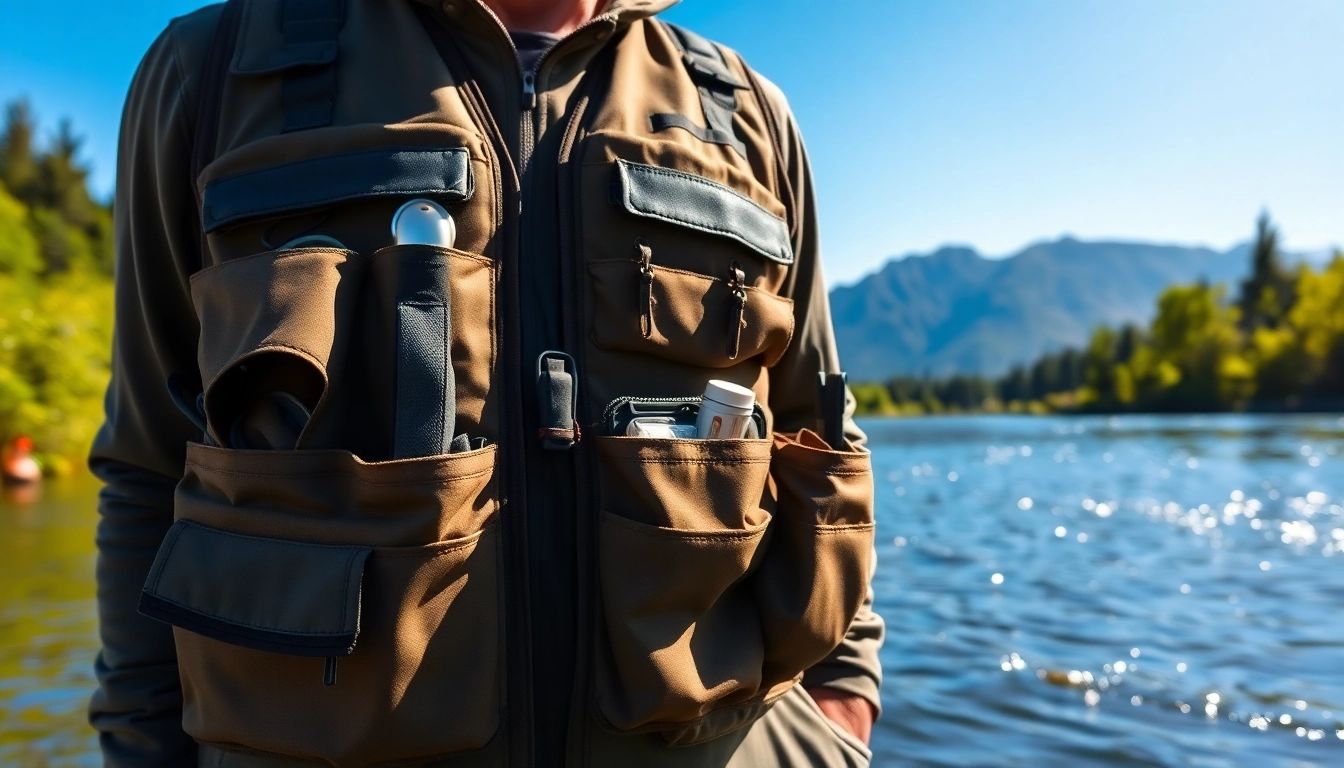
A fly fishing vest is a specialized garment designed to provide anglers with essential storage for fishing gear, tools, and accessories. Unlike traditional fishing vests, which serve purely utilitarian purposes, fly fishing vests are tailored for the unique needs of fly fishing enthusiasts. They typically feature a variety of pockets, attachment points, and compartments that allow for organized gear placement while keeping critical items easily accessible.
Typically lightweight and breathable, they are designed for comfort during long hours of standing in water or trekking across rugged terrains. Whether you are wading in a river or casting from a lakeside, a quality fly fishing vest can enhance your fishing experience significantly.
Key Features of a Fly Fishing Vest
When selecting a fly fishing vest, anglers should consider several key features that elevate functionality:
- Pockets: Multiple pockets of varying sizes are essential for storing flies, tippets, and other tackle securely while allowing for easy access.
- Adjustability: Adjustable straps and buckles ensure a customizable fit, accommodating different body types and layering of clothing beneath the vest.
- Durable Fabric: Vests made from waterproof or water-resistant materials protect gear against moisture and provide longevity against the elements.
- Temperature Control: Features such as mesh backing or ventilation zippers help keep anglers cool in warmer conditions.
Common Materials Used
Fly fishing vests are crafted from various materials, each offering distinct advantages:
- Nylon: Common for its lightweight, water-resistant properties, nylon is durable and easy to clean.
- Polyester: Often used in combination with other materials, polyester provides good resistance to UV rays and abrasion.
- Mesh: Frequently incorporated into designs, mesh allows for breathability, essential for comfort on hot days.
Why Every Angler Needs a Fly Fishing Vest
Convenience and Organization
A fly fishing vest is indispensable for the organization it brings to an angler’s trip. Unlike generic backpacks or tackle boxes, a vest allows you to keep all necessary items within arm’s reach, creating a streamlined fishing process. Some examples of items that can be stored include:
- Flies
- Fishing tools (e.g., forceps, nippers)
- Small tackle items (e.g., floatants, leaders)
- Personal items (e.g., phone, wallet)
This level of organization can significantly improve the efficiency of your fishing outing, minimizing the time spent rummaging through bags or boxes.
Durability and Protection
Investing in a quality fly fishing vest ensures that gear is safeguarded from the elements. These vests often feature durable, water-resistant fabrics that protect your tools and personal items from rain or spray. Additionally, they may include padded sections to safeguard delicate equipment such as fly boxes or sunglasses. A well-constructed vest can withstand wear and tear from rugged environments, enhancing its overall value.
Benefits for Different Fishing Conditions
Different fishing conditions necessitate varied gear, and a fly fishing vest meets these needs admirably:
- Freshwater Fishing: When fishing in rivers and lakes, organizations through pockets can hold essential items, like insect repellent or snacks.
- Saltwater Fishing: A vest can feature corrosion-resistant zippers and materials that withstand saltwater exposure.
- Cold Weather Fishing: Some vests are designed to accommodate layering, allowing for warmth without sacrificing gear access.
Choosing the Right Fly Fishing Vest
Size and Fit Considerations
The fit of a fly fishing vest is crucial in ensuring comfort and functionality. Proper adjustments are necessary to accommodate movements, particularly when casting or bending. A vest that is too loose can lead to chafing, while one that is too tight may restrict movement. When selecting a vest, consider the following tips:
- Try on vests while wearing typical fishing clothing for the best fit.
- Check that all straps adjust and close without difficulty.
- Ensure the length of the vest covers your torso comfortably without excess material that could snag while fishing.
Types of Fly Fishing Vests Available
A fly fishing vest comes in several designs to cater to specific preferences:
- Standard Vests: These offer traditional pocket designs and adjustable straps.
- Pack Vests: Combining the fly fishing vest with a backpack space, these are ideal for longer trips where extra gear is needed.
- Convertible Vests: Some vests can transform into a sling pack, providing versatility for different fishing styles.
Budget-Friendly Options
Quality doesn’t always have to come at a high price. There are many budget-friendly options for fly fishing vests that meet essential criteria:
- Look for sales or last season’s models that still meet your needs.
- Consider brands known for offering solid performance at value pricing.
- Seek vests with good reviews focusing on material durability and comfort.
Maintaining Your Fly Fishing Vest
Cleaning Tips for Longevity
Careful maintenance can extend the life of your fly fishing vest. Here are cleaning tips to follow:
- Always read the manufacturer’s instructions for cleaning guidelines.
- Hand wash your vest in cool water using mild detergent; avoid bleach and fabric softeners.
- Air dry your vest completely, avoiding direct sunlight for prolonged periods to prevent color fading and fabric degradation.
Repairing Common Wear and Tear
Like any outdoor gear, vests may experience wear and tear. Here are some common issues and their solutions:
- Frayed Straps: These can be sewn back together or reinforced with fabric glue.
- Busted Zippers: Replacement zippers can be ordered online and sewn in if necessary.
- Dirty Mesh Panels: Spot clean them with a soft brush and mild detergent to remove dirt and algae.
Storage Solutions for Off-Season
To keep your fly fishing vest in top shape during the off-season, adhere to these storage tips:
- Store the vest in a cool, dry environment to avoid mold or mildew growth.
- Keep it in a breathable bag or on a hanger to maintain shape.
- Avoid cramming it into tight spaces to prevent creases and tears in the fabric.
FAQs About Fly Fishing Vests
What features should I look for in a fly fishing vest?
Look for compartments, adjustable straps, and lightweight materials for comfort.
Are fly fishing vests suitable for all fishing environments?
Yes, they’re designed for versatility across various fishing conditions and locations.
How do I properly clean my fly fishing vest?
Hand wash with mild detergent and air dry to maintain fabric integrity.
Can I use a fly fishing vest for other types of fishing?
Absolutely! Fly fishing vests can be functional for other fishing styles too.
What is the average price range for a quality fly fishing vest?
Quality fly fishing vests typically range from $50 to $200 depending on features.